 Instagram
 Facebook
 Whatsapp
 Youtube
 Contact
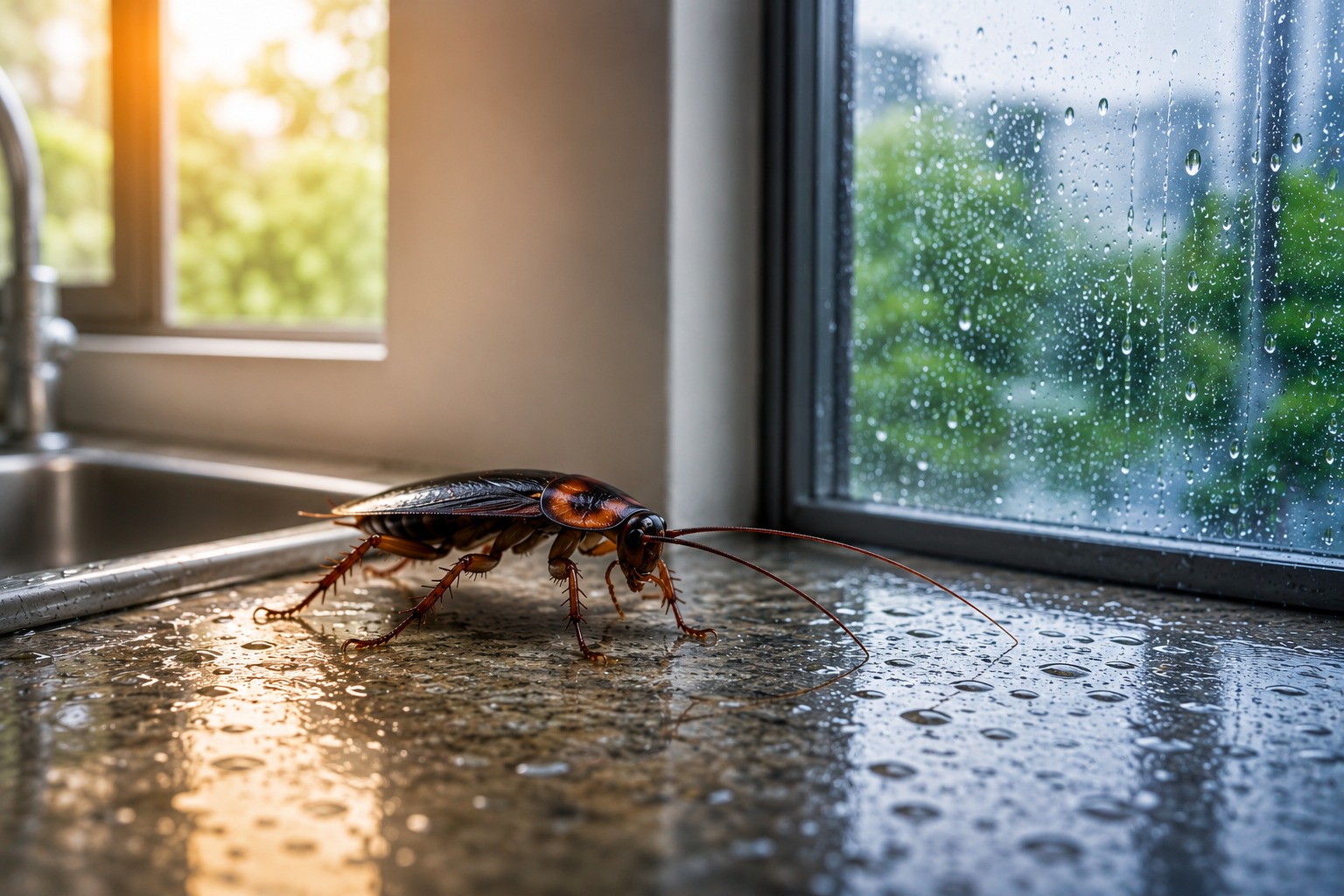
Cockroaches are among the most common household pests and are known for their ability to survive in a wide range of environments. However, many homeowners and business owners notice a significant increase in cockroach activity during the summer and monsoon seasons.
Warm temperatures, increased humidity, and easy access to food and water create ideal conditions for cockroaches to thrive, reproduce, and spread rapidly. Understanding why cockroaches become more active during these seasons can help you take preventive measures before a minor problem turns into a major infestation.
This guide explains why cockroach activity increases during summer and monsoon, the risks associated with infestations, warning signs to watch for, and effective prevention strategies for long-term protection.
Why Do Cockroaches Become More Active During Summer?
Summer provides ideal environmental conditions for cockroaches to survive and reproduce. As temperatures rise, their metabolism increases, making them more active in searching for food, water, and shelter.
Warm Temperatures Accelerate Reproduction
Cockroaches thrive in temperatures between 25°C and 35°C. During summer, these conditions speed up their breeding cycle, allowing populations to grow much faster than during cooler months.
A single female cockroach can produce hundreds of offspring each year, making early prevention essential.
Increased Search for Water
Hot weather often causes outdoor water sources to dry up. As a result, cockroaches enter homes and commercial properties in search of moisture.
Common indoor water sources include:
- Leaky faucets
- Condensation around pipes
- Pet water bowls
- Kitchen sinks
- Bathroom drains
Abundant Food Availability
Summer often involves more food preparation, outdoor gatherings, and increased waste generation. Crumbs, uncovered food, and overflowing garbage bins provide easy access to food for cockroaches.
Why Are Cockroaches More Common During Monsoon Season?
While summer encourages breeding, monsoon season often forces cockroaches indoors due to excessive rainfall and flooding.
Heavy Rain Forces Cockroaches Indoors
Cockroaches commonly live in drains, sewers, gardens, and outdoor hiding places. During heavy rainfall, these areas become flooded, forcing them to seek shelter inside homes, offices, restaurants, and warehouses.
High Humidity Creates Ideal Living Conditions
Cockroaches prefer humid environments. Monsoon weather increases indoor moisture levels, creating ideal conditions for survival and breeding.
Areas commonly affected include:
- Bathrooms
- Kitchens
- Basements
- Storage rooms
- Laundry areas
Easy Access Through Cracks and Drains
Rainwater often exposes small entry points around buildings. Cockroaches can easily enter through:
- Drain openings
- Cracks in walls
- Gaps around doors and windows
- Plumbing access points
Signs of Increased Cockroach Activity
Recognizing early warning signs can help prevent a small problem from becoming a serious infestation.
Frequent Cockroach Sightings
Seeing cockroaches during the daytime often indicates a larger hidden infestation.
Cockroach Droppings
Small black droppings resembling coffee grounds are commonly found near food storage areas, cabinets, and appliances.
Unpleasant Odor
Large infestations may produce a strong, musty odor that becomes noticeable over time.
Egg Cases
Cockroach egg capsules are often hidden behind furniture, cabinets, and appliances.
Shed Skins
As cockroaches grow, they shed their exoskeletons, leaving visible signs of infestation.
Health Risks Associated with Cockroach Infestations
Cockroaches are more than just unpleasant pests. They can create significant health concerns for occupants.
Spread of Harmful Bacteria
Cockroaches can contaminate food and surfaces with bacteria collected from garbage, drains, and sewage systems.
Allergy and Asthma Triggers
Cockroach saliva, droppings, and shed skin can trigger allergies and worsen asthma symptoms, especially in children.
Food Contamination
Cockroach activity in kitchens increases the risk of food contamination and potential digestive illnesses.
How to Prevent Cockroach Infestations During Summer and Monsoon
Prevention is often more effective and affordable than dealing with a large infestation.
Eliminate Moisture Sources
- Repair leaking pipes and faucets
- Improve ventilation in humid areas
- Use dehumidifiers when necessary
- Prevent standing water accumulation
Store Food Properly
- Keep food in sealed containers
- Clean kitchen surfaces daily
- Avoid leaving pet food exposed overnight
- Dispose of garbage regularly
Seal Entry Points
Inspect and seal:
- Wall cracks
- Door gaps
- Window openings
- Pipe entry points
- Drain openings
Maintain Clean Drains
Regular drain cleaning and the use of drain covers can help reduce access to your property.
Schedule Professional Cockroach Control Treatment
Professional pest control services can target hidden nests, breeding areas, and access points that are often missed by DIY methods.
Why Professional Cockroach Control Is Important
Many homeowners rely on sprays and store-bought products. While these may eliminate visible cockroaches, they often fail to address hidden colonies and breeding sites.
Professional treatment typically includes:
- Comprehensive property inspections
- Targeted treatment plans
- Safe and effective application methods
- Long-term prevention strategies
- Elimination of hidden breeding areas
For areas experiencing hot summers and heavy monsoon rainfall, regular pest inspections can significantly reduce infestation risks.
How to Maintain a Cockroach-Free Environment
Long-term cockroach prevention requires ongoing maintenance and vigilance.
Maintain Cleanliness
Regular cleaning removes food particles and reduces attractants.
Monitor Moisture Levels
Keeping indoor spaces dry makes them less attractive to cockroaches.
Conduct Routine Inspections
Regular inspections help identify potential entry points and hidden infestations before they become serious.
Continue Preventive Pest Control
Routine pest management services can help maintain protection throughout the year.
Conclusion
Summer heat and monsoon humidity create ideal conditions for cockroach infestations. Higher temperatures accelerate reproduction, while rainfall often drives cockroaches indoors in search of shelter, food, and water.
Understanding why cockroaches become more active during these seasons allows homeowners and businesses to take proactive steps before infestations develop. Maintaining cleanliness, controlling moisture, sealing entry points, and scheduling professional cockroach control treatments remain the most effective ways to protect your property.
With the right preventive measures and ongoing maintenance, you can maintain a healthier, safer, and cockroach-free environment throughout the year.
FAQs
Why do cockroaches appear more during summer?
Warm temperatures accelerate cockroach reproduction and increase their search for food and water, making them more active.
Why do cockroaches enter homes during the rainy season?
Heavy rainfall floods their outdoor habitats, forcing them to seek shelter indoors.
Can cockroaches survive heavy rain?
Cockroaches are highly resilient, but flooding often drives them out of sewers, drains, and outdoor hiding places.
How can I prevent cockroaches during monsoon season?
Maintain cleanliness, reduce moisture, seal entry points, and schedule preventive pest control treatments.
Is professional cockroach treatment better than DIY methods?
Yes. Professional treatments target hidden colonies and breeding areas, providing more effective and longer-lasting results.