 Instagram
 Facebook
 Whatsapp
 Youtube
 Contact
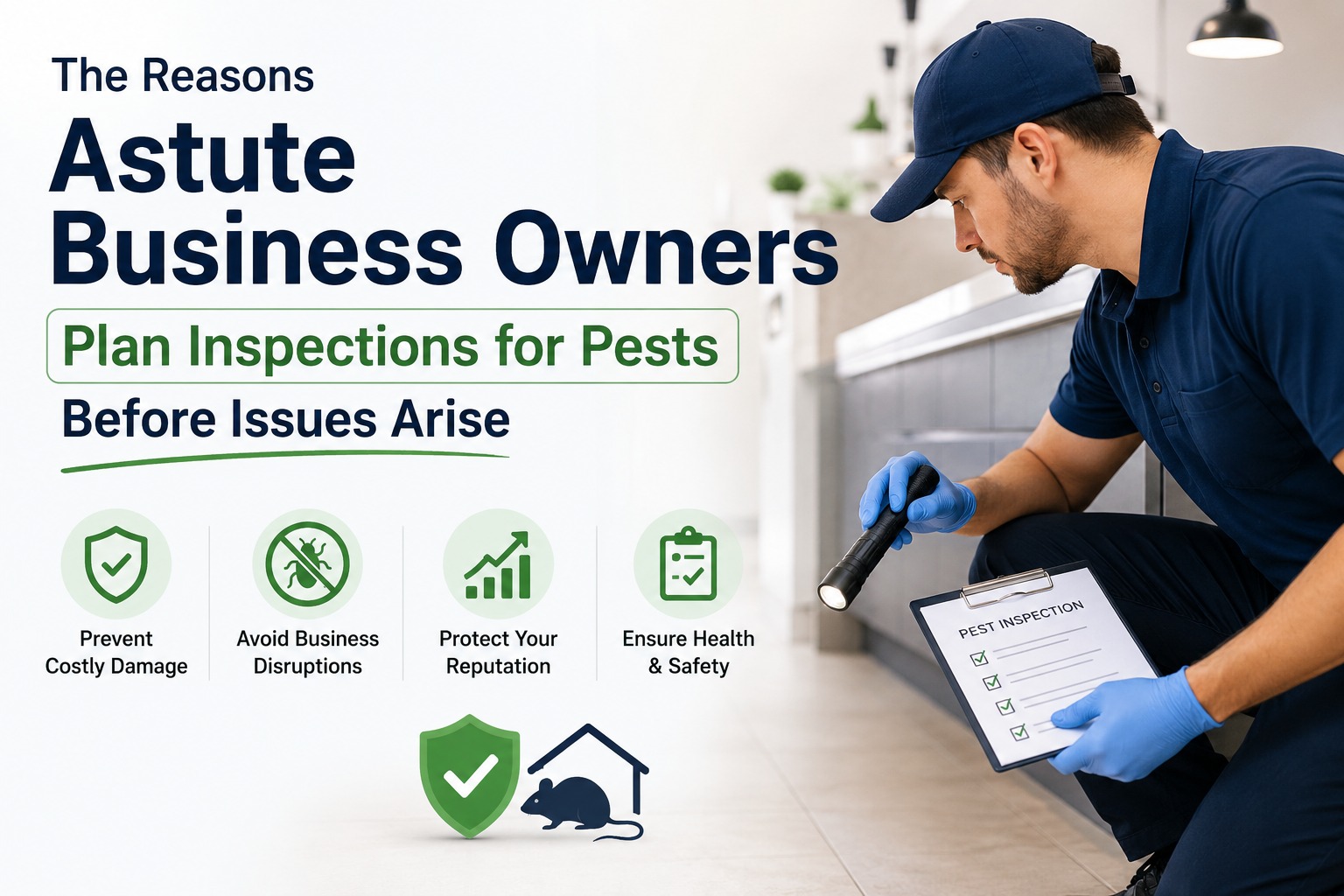
Many business owners only think about pest control when they see a cockroach, rodent, termite, or other pest on their premises. Unfortunately, by the time pests become visible, the infestation may already be causing significant damage behind walls, ceilings, storage areas, or workspaces.
Smart business owners understand that proactive pest inspections are not an expense—they are an investment in protecting their property, reputation, employees, and customers.
In today's competitive business environment, preventive pest management has become an essential part of facility maintenance. Regular inspections help identify potential pest threats before they turn into costly infestations that can disrupt operations and damage a company's image.
Why Are Regular Pest Inspections Important for Businesses?
Pests can enter commercial properties through surprisingly small openings. Once inside, they can quickly multiply and spread throughout the building.
A professional pest inspection helps detect:
- Early signs of rodent activity
- Cockroach hiding spots
- Termite infestations
- Ant colonies
- Moisture-related pest risks
- Structural vulnerabilities
- Sanitation concerns attracting pests
Early detection allows business owners to address problems before they become expensive emergencies.
Undiscovered Pest Issues May Cost More Than You Assume
Many pests remain hidden for weeks or even months before becoming noticeable. During this time, infestations can spread and cause extensive damage.
Property Damage
Termites can weaken wooden structures, furniture, doors, and storage units. Rodents can chew electrical wiring, insulation, and important documents.
Health and Safety Concerns
Cockroaches, rodents, and flies can contaminate surfaces, food products, and workspaces, creating potential health risks for employees and customers.
Business Reputation Damage
A single customer spotting a pest can result in negative online reviews, social media complaints, and loss of trust.
Regulatory Issues
Restaurants, warehouses, healthcare facilities, and food-processing businesses may face compliance issues if pest infestations are discovered during inspections.
Signs Your Business May Need a Pest Inspection
Even if pests are not visible, watch for these warning signs:
- Droppings in storage areas
- Unusual odors
- Gnaw marks on wires or furniture
- Mud tubes near walls or foundations
- Damaged packaging
- Grease marks along walls
- Increased insect activity around lights
- Odd scratching noises coming from walls or ceilings
If any of these signs are present, a professional inspection should be scheduled immediately.
Sectors That Gain the Most From Preventive Pest Inspections
Almost every commercial property can benefit from routine inspections, including:
Restaurants and Cafes
Food attracts rodents, flies, and cockroaches, making prevention critical.
Offices and Corporate Buildings
Pests can impact employee comfort, productivity, and company image.
Warehouses and Storage Facilities
Stored goods often provide ideal hiding and nesting locations.
Hotels and Hospitality Businesses
Guest satisfaction depends on maintaining a clean and pest-free environment.
Retail Stores
Protecting inventory and customer experience is essential.
Healthcare Facilities
Strict hygiene standards make preventive pest management a necessity.
How Frequently Should Companies Arrange for Pest Inspections?
The ideal inspection frequency depends on the industry, property size, and risk level.
General recommendations include:
| Business Type | Recommended Inspection Frequency |
|---|---|
| Restaurants | Monthly |
| Warehouses | Monthly or Quarterly |
| Offices | Quarterly |
| Retail Stores | Quarterly |
| Hotels | Monthly |
| Healthcare Facilities | Monthly |
A licensed pest management professional can recommend a customized schedule based on your facility's needs.
What Takes Place During an Expert Pest Inspection?
A comprehensive commercial pest inspection typically includes:
Exterior Assessment
Inspecting entry points, drainage systems, landscaping, and structural gaps.
Interior Inspection
Checking kitchens, storage rooms, restrooms, ceilings, basements, and utility areas.
Pest Activity Monitoring
Identifying current infestations and conditions that may attract pests.
Risk Assessment Report
Providing detailed findings and recommendations for prevention and treatment.
Preventive Action Plan
Creating a tailored strategy to reduce future pest risks.
Benefits of Scheduling Pest Inspections Before Problems Start
Businesses that invest in preventive inspections enjoy several advantages:
- ✅ Reduced risk of infestations
- ✅ Lower pest control costs over time
- ✅ Protection of inventory and equipment
- ✅ Improved employee and customer confidence
- ✅ Compliance with health and safety standards
- ✅ Stronger business reputation
- ✅ Peace of mind year-round
Prevention is always more affordable and less disruptive than dealing with a full-scale infestation.
FAQs
Why should businesses schedule pest inspections regularly?
Regular inspections help detect pest activity early, preventing costly infestations, property damage, and business disruptions.
Can pest inspections save money?
Yes. Early detection and prevention typically cost far less than repairing damage caused by termites, rodents, or other pests.
Are pest inspections necessary if no pests are visible?
Absolutely. Many pests remain hidden until infestations become severe. Expert inspections can find problems before they become apparent.
How long does a commercial pest inspection take?
Most inspections take between 30 minutes and several hours, depending on the property's size and complexity.
What is preventive pest management's greatest benefit?
The biggest advantage is reducing the risk of unexpected infestations that can harm business operations, customer trust, and property value.
Final Thoughts
Successful business owners don't wait for problems to appear—they take action before issues arise. In terms of managing pests, the same idea holds true.
Scheduling regular pest inspections helps protect your property, employees, customers, and reputation while reducing long-term costs. By identifying risks early and implementing preventive measures, businesses can maintain a safer, healthier, and more professional environment.
Investing in preventive pest inspections today can save your business from costly repairs, operational disruptions, and reputational damage tomorrow.