 Instagram
 Facebook
 Whatsapp
 Youtube
 Contact
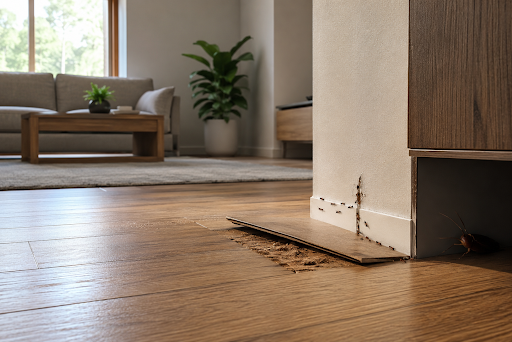
Most people don't worry when they spot a single cockroach in the kitchen or a few ants near the sink. They often think it's a temporary issue that will disappear on its own. Unfortunately, pests rarely leave without intervention. What starts as a minor inconvenience can quickly become a serious infestation that affects your health, property, and finances.
Professional pest control services are not just about eliminating visible pests. They help prevent hidden infestations, reduce health risks, and protect your investment before the damage becomes costly.
In this guide, we'll explore why early pest management is one of the smartest decisions homeowners and business owners can make.
Why Small Pest Problems Become Big Problems
Many pests reproduce at an alarming rate. By the time you notice them regularly, hundreds—or even thousands—may already be hiding inside your walls, ceilings, furniture, or garden.
For example:
- One pair of rodents can multiply into dozens within months.
- A termite colony can silently damage wooden structures for years.
- Cockroaches lay multiple egg cases throughout their lifetime.
- Bed bugs spread rapidly from one room to another.
Early treatment stops the infestation before it becomes difficult and expensive to control.
The Real Cost of Delaying Pest Control
Many people avoid calling professionals because they want to save money. Ironically, waiting often leads to much higher expenses.
1. Structural Damage
Termites, carpenter ants, and rodents can weaken important parts of your property.
Damage may include:
- Wooden furniture
- Roof supports
- Flooring
- Electrical wiring
- Wall insulation
Repairing structural damage usually costs far more than preventive pest treatment.
2. Health Risks for Your Family
Pests don't just damage property—they also threaten your health.
Common health concerns include:
- Food contamination
- Allergic reactions
- Asthma triggers
- Skin irritation
- Disease transmission
Rodents, cockroaches, mosquitoes, flies, and bed bugs can all contribute to unhealthy living conditions.
3. Higher Treatment Costs
A localized infestation usually requires less time, fewer treatments, and lower costs. Large infestations often need:
- Multiple visits
- Deep chemical treatments
- Fumigation
- Furniture removal
- Property repairs
Acting early is almost always more affordable.
Signs You Should Never Ignore
Many infestations remain hidden until they've become severe. Watch for these warning signs:
- Droppings around the kitchen
- Strange scratching sounds inside walls
- Mud tubes near foundations
- Chewed wires
- Damaged food packaging
- Musty odors
- Shed insect skins
- Small holes in wooden furniture
- Live insects appearing during daylight
Even one or two signs deserve immediate attention.
Why DIY Pest Control Often Doesn't Solve the Problem
Store-bought sprays can kill visible insects but rarely eliminate the entire colony. Hidden pests continue breeding inside:
- Wall cavities
- Roof spaces
- Furniture
- Drains
- Soil
- Electrical ducts
Professional pest control targets the source—not just the pests you can see.
Benefits of Professional Pest Control Services
Accurate Pest Identification
Different pests require different treatment methods. Experts identify:
- Species
- Nesting areas
- Entry points
- Breeding conditions
This ensures effective treatment.
Safe and Targeted Solutions
Licensed professionals use approved products designed for safe and effective application. Treatment plans are customized based on:
- Property size
- Pest species
- Infestation level
- Family members
- Pets
- Commercial requirements
Long-Term Prevention
Professional services don't stop after eliminating pests. They also help prevent future infestations by:
- Sealing entry points
- Identifying moisture problems
- Recommending sanitation improvements
- Scheduling preventive inspections
Common Household Pests That Should Never Be Ignored
Cockroaches
Cockroaches spread bacteria and contaminate food preparation areas.
Early signs include:
- Egg capsules
- Droppings
- Unpleasant odor
Termites
Often called "silent destroyers," termites work behind walls without obvious signs. Annual inspections can save thousands in repair costs.
Rodents
Rats and mice damage insulation, chew electrical wires, and contaminate stored food. They also spread several harmful diseases.
Bed Bugs
Bed bugs hide in mattresses, furniture, curtains, and luggage. Ignoring them allows rapid spreading throughout the home.
Mosquitoes
Standing water encourages mosquito breeding. Besides causing itchy bites, mosquitoes can transmit serious diseases in many regions.
Ants
Small ant trails often indicate much larger underground colonies. Removing visible ants rarely eliminates the nest.
Pest Prevention Tips Every Homeowner Should Follow
Simple habits reduce the risk of infestations.
Keep Food Properly Stored
Use airtight containers for cereals, grains, and pet food.
Eliminate Moisture
Repair leaking pipes and improve ventilation. Many pests thrive in damp environments.
Dispose of Garbage Regularly
Overflowing bins attract flies, cockroaches, and rodents.
Seal Entry Points
Inspect:
- Windows
- Doors
- Utility openings
- Roof gaps
- Pipe penetrations
Small openings are enough for pests to enter.
Schedule Regular Inspections
Even if no pests are visible, annual inspections help detect hidden infestations before they grow.
Why Businesses Need Preventive Pest Control
Businesses cannot afford pest infestations. Restaurants, hotels, warehouses, hospitals, offices, schools, and retail stores all face risks such as:
- Customer complaints
- Product contamination
- Reputation damage
- Failed health inspections
- Financial losses
Routine pest management helps maintain a safe and professional environment.
Choosing the Right Pest Control Company
Before hiring a provider, look for:
- Experienced technicians
- Licensed professionals
- Safe treatment methods
- Customized pest management plans
- Transparent pricing
- Positive customer reviews
- Follow-up inspections
- Preventive maintenance programs
A trusted company focuses on long-term protection rather than temporary fixes.
Final Thoughts
Pests rarely disappear on their own. The longer they remain undetected, the more damage they cause to your property, health, and finances.
Professional pest control services provide more than immediate relief—they offer long-term protection, expert guidance, and peace of mind. Whether you're dealing with termites, rodents, cockroaches, mosquitoes, or bed bugs, early action is always the most cost-effective solution.
Protect your home or business before a small pest problem becomes a major expense.
FAQs
1. How often should I schedule pest control services?
Most homes benefit from professional inspections every 6 to 12 months. Commercial properties may require more frequent visits depending on the industry and pest risk.
2. Can I completely prevent pest infestations?
While no property is completely pest-proof, proper sanitation, regular inspections, sealing entry points, and preventive pest control greatly reduce the risk.
3. Are professional pest control treatments safe?
Yes. Reputable pest control companies use approved products and follow safety guidelines to protect people, pets, and the environment when treatments are applied correctly.
4. What attracts pests into homes?
Food crumbs, standing water, clutter, moisture, garbage, and small entry gaps are among the most common factors that attract pests.
5. Is preventive pest control worth the investment?
Absolutely. Preventive pest control helps avoid expensive repairs, protects health, reduces infestation risks, and saves money over the long term.