 Instagram
 Facebook
 Whatsapp
 Youtube
 Contact
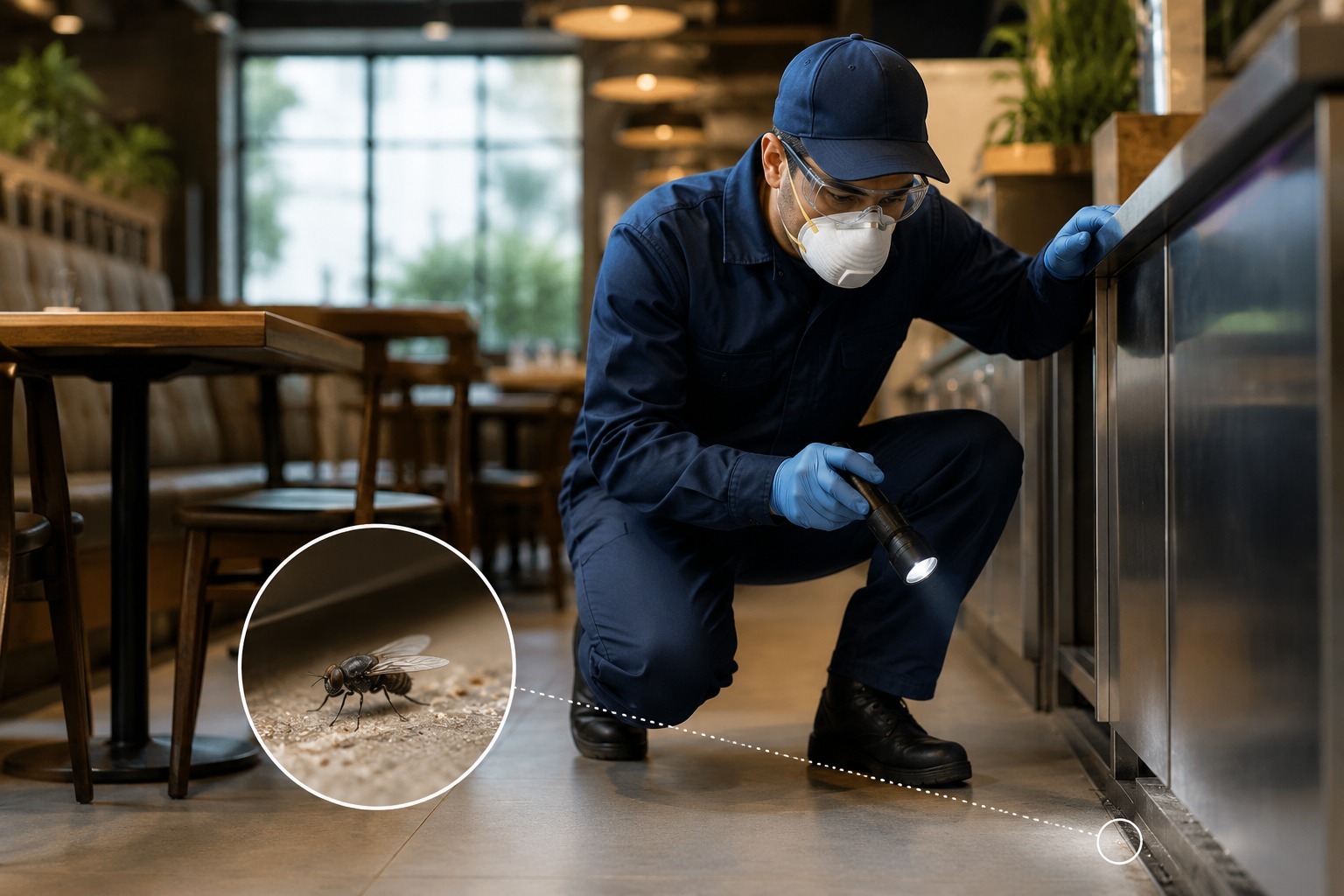
Smart Pest Management Techniques Used in Modern Fly Control Services
Flies are more than just an annoying pest. They can spread harmful bacteria, contaminate food, and create unhealthy conditions in homes, offices, restaurants, warehouses, and commercial spaces. In many general locations, fly infestations become more common during warmer and humid seasons, making professional Fly Control Services an important part of modern pest management.
Today, pest control companies use advanced and strategic methods that focus not only on eliminating flies but also on preventing them from returning. Modern Fly Control Treatment solutions are designed to be effective, safe, and suitable for both residential and commercial environments.
This blog answers common questions about modern fly management and explains how professional services help maintain hygienic and pest-free spaces.
What Are Fly Control Services?
Fly Control Services are professional pest management solutions designed to control and prevent fly infestations in different types of properties.
These services usually include:
- Detailed inspection of the affected area
- Identification of breeding spots
- Customized treatment plans
- Preventive pest management strategies
- Hygiene and sanitation recommendations
Unlike temporary DIY solutions, professional fly control focuses on long-term prevention and sustainable pest management.
Why Are Flies Considered Harmful?
Flies often move between garbage, drains, waste areas, and food preparation surfaces. Because of this, they can carry bacteria and other harmful contaminants into homes and commercial properties.
Some common problems caused by flies include:
- Food contamination
- Poor hygiene conditions
- Spread of germs and bacteria
- Unpleasant odors
- Negative experiences for customers in businesses
In restaurants, healthcare facilities, and food storage areas, fly infestations can quickly become a serious hygiene concern if not managed properly.
How Do Modern Fly Control Services Work?
Modern Fly Control Services use a systematic approach to identify the source of the infestation and apply targeted solutions.
Inspection and Monitoring
The first step is a detailed inspection of the property. Pest control professionals check for:
- Fly breeding areas
- Moisture buildup
- Open garbage zones
- Drainage problems
- Entry points where flies enter the property
This helps experts understand the severity of the infestation and select the right treatment method.
Sanitation Management
One of the most important parts of modern fly management is improving hygiene conditions. Even the best Fly Control Treatment may not provide long-term results if sanitation issues remain unresolved.
Professionals often recommend:
- Proper garbage disposal
- Regular drain cleaning
- Safe food storage practices
- Routine surface cleaning
- Removal of stagnant water
Better sanitation significantly reduces the chances of recurring fly infestations.
Targeted Treatment Solutions
Modern pest management companies use different treatment techniques depending on the property type and infestation level.
These may include:
- Residual spraying
- UV fly control systems
- Fly traps and monitoring devices
- Gel-based applications
- Eco-friendly pest management methods
These treatments are applied carefully to ensure maximum effectiveness while maintaining safety standards.
What Makes Modern Fly Control Different From Traditional Methods?
Traditional pest control methods often focused only on killing visible flies. However, modern Fly Control Services are designed to provide long-term solutions by addressing the root cause of the problem.
Today’s pest management techniques focus on:
- Identifying breeding sources
- Preventing future infestations
- Reducing excessive chemical usage
- Using safer and more targeted applications
- Continuous monitoring and maintenance
This modern approach provides better and more sustainable results for both residential and commercial properties.
Which Places Need Professional Fly Control the Most?
Fly infestations can occur anywhere, but some environments are more vulnerable due to food handling, waste generation, and moisture buildup.
Properties that commonly require professional Fly Control Treatment include:
- Restaurants and cafes
- Hotels and hospitality businesses
- Food processing units
- Warehouses and storage facilities
- Hospitals and clinics
- Residential buildings
- Retail stores and supermarkets
In commercial settings, proper fly management helps maintain hygiene standards and improves customer confidence.
Are Professional Fly Control Treatments Safe?
Yes, modern Fly Control Services are designed with safety in mind. Reputable pest control providers use approved treatment products and apply them carefully according to industry standards.
Professionals assess several factors before treatment, including:
- Property size
- Level of infestation
- Ventilation conditions
- Presence of children or pets
- Nature of business operations
Many pest management companies now prefer low-toxicity and environmentally responsible solutions that are suitable for modern residential and commercial spaces.
How Can Property Owners Prevent Fly Infestations?
Prevention is one of the most effective ways to control flies. Maintaining cleanliness and eliminating breeding areas can significantly reduce infestation risks.
Property owners should:
- Keep garbage bins covered properly
- Clean drains regularly
- Avoid food waste accumulation
- Maintain kitchen hygiene
- Remove standing water
- Install protective mesh screens where required
Routine inspections and timely pest management support also help prevent long-term fly problems.
When Should You Contact Professional Fly Control Services?
Property owners should consider professional help when:
- Fly infestations continue despite home remedies
- Flies return frequently after temporary treatments
- Hygiene standards are affected
- Food preparation areas become exposed
- Breeding spots are difficult to identify
Early intervention can help prevent larger infestations and reduce future treatment costs.
Why Is Integrated Pest Management Important in Fly Control?
Integrated Pest Management, commonly known as IPM, is a modern pest control strategy that combines prevention, monitoring, sanitation, and targeted treatment methods.
Instead of depending entirely on chemical sprays, IPM focuses on long-term pest prevention through practical and sustainable solutions.
This approach helps:
- Improve treatment effectiveness
- Reduce recurring infestations
- Maintain environmental safety
- Support healthier indoor environments
Many modern Fly Control Services now use IPM techniques because they provide reliable and balanced pest management results.
Conclusion
Modern Fly Control Services play an important role in maintaining hygiene, safety, and comfort in residential and commercial properties. Unlike traditional methods, today’s Fly Control Treatment solutions focus on identifying the root cause of infestations and implementing long-term preventive strategies.
From sanitation management and inspection to targeted treatments and integrated pest management, professional fly control helps create cleaner and healthier spaces. Whether for homes, restaurants, warehouses, or offices, investing in expert fly management services can help prevent recurring infestations and support better hygiene standards throughout the year.