 Instagram
 Facebook
 Whatsapp
 Youtube
 Contact
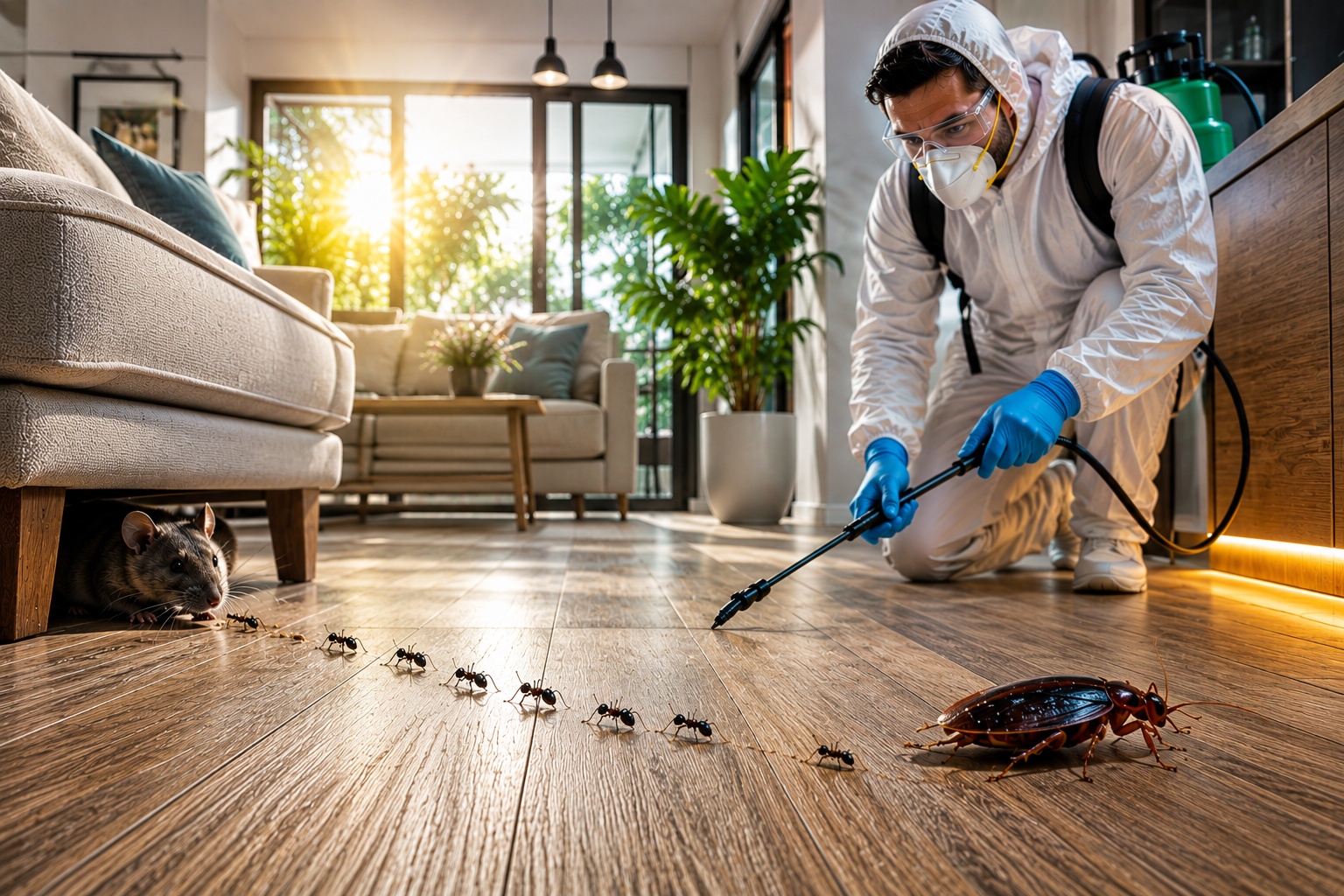
Pests rarely appear overnight. In most cases, an infestation begins quietly, with subtle warning signs that many homeowners overlook. By the time insects or rodents become visible, they may have already caused damage to your property, contaminated food, or created health risks.
Recognizing these early signs can help you act before a small problem turns into an expensive infestation. In this guide, we'll walk you through the most common warning signs and explain what they mean.
Why Early Pest Detection Matters
Most pests are experts at hiding. Termites work behind walls, rodents stay active at night, and cockroaches remain hidden in dark, damp spaces. Because of this, homeowners often don't realize there's a problem until significant damage has already occurred.
Early detection helps you:
- Reduce repair costs
- Protect your family's health
- Prevent structural damage
- Avoid large-scale infestations
- Save money on long-term pest treatments
15 Warning Signs of a Pest Infestation
Unusual Droppings Around Your Home
One of the earliest signs of pest activity is finding droppings in kitchens, cupboards, storage rooms, or behind appliances. Small black pellets often indicate rodents or cockroaches. Fresh droppings usually mean the pests are still active.
Strange Noises During the Night
If you hear scratching, squeaking, or movement inside your walls or ceiling after dark, rodents may have entered your home. Since rats and mice are nocturnal, nighttime noises should never be ignored.
Damage to Wooden Furniture or Structures
Wood damage is a common indicator of termites. You may notice hollow-sounding timber, blistered paint, or weakened furniture. Rodents can also chew wooden cabinets, insulation, and other household materials.
Persistent Unpleasant Odors
A strong musty smell or foul odor without an obvious source could be coming from hidden nests, pest droppings, or dead insects trapped inside walls or ceilings.
Chewed Food Packaging
Rodents constantly gnaw to keep their teeth from growing too long. If you notice bite marks on food packets or torn packaging inside your pantry, it's time to investigate.
Mud Tubes on Walls or Foundations
Termites build narrow mud tunnels to travel safely while staying moist. These tubes commonly appear along walls, foundations, or wooden structures and are one of the clearest warning signs of a termite infestation.
Shed Wings or Insect Skins
Discarded wings near windows, doors, or light fixtures often indicate termites or flying ants. Cockroaches and bed bugs also shed their outer skin as they grow, leaving evidence behind.
Grease Marks Along Walls
Rodents usually follow the same pathways every day. As they travel, oils from their fur leave dark grease marks along walls and baseboards.
Small Cracks and Entry Points
Tiny openings around windows, doors, plumbing pipes, and utility lines make perfect entry points for pests. Even a small gap is enough for rodents or insects to enter your home.
Damaged Electrical Wiring
Chewed electrical cables are a serious warning sign of rodents. Besides causing power interruptions, damaged wiring increases the risk of electrical fires.
Nesting Materials in Hidden Spaces
Rats and mice build nests using shredded paper, cardboard, cloth, leaves, or insulation. These nests are often hidden behind appliances, inside walls, or in attics.
Frequent Sightings of Live or Dead Insects
Occasionally seeing an insect isn't unusual. However, repeatedly finding cockroaches, ants, termites, or other pests often means a larger colony is hiding nearby.
Plant Damage Around Your Property
Chewed leaves, damaged gardens, or unhealthy plants can attract additional pests closer to your home. Outdoor infestations often become indoor problems if left untreated.
Increased Allergy Symptoms
Many pests leave behind allergens through droppings, shed skin, and body fragments. These can reduce indoor air quality and trigger allergies or respiratory discomfort.
Repeated Pest Sightings
Seeing the same type of pest several times over a short period usually indicates an established infestation rather than an isolated incident. At this stage, professional inspection is often the best solution.
How to Prevent Pest Infestations
Prevention is always easier and more affordable than treating a major infestation. Simple maintenance habits can greatly reduce the chances of pests entering your home.
Some effective preventive measures include:
- Seal cracks and gaps around doors, windows, and utility pipes.
- Keep kitchens clean and dry.
- Store food in airtight containers.
- Dispose of household waste regularly.
- Repair leaking pipes and eliminate standing water.
- Trim vegetation touching your home.
- Schedule routine pest inspections.
When Should You Call a Professional Pest Control Service?
While DIY methods may help with isolated pest sightings, they often fail to eliminate hidden nests or breeding colonies. If you notice several warning signs at once—such as droppings, damaged wood, unusual noises, or recurring pest activity—it's time to contact a professional.
Experienced pest control specialists can:
- Identify the source of the infestation
- Apply targeted treatments
- Prevent future pest problems
- Protect your property from long-term damage
Final Thoughts
Pest infestations rarely begin with obvious signs. They develop gradually, often remaining hidden until the damage becomes serious. By staying alert to these early warning signals and taking preventive action, you can protect both your home and your family's health.
If you notice multiple signs mentioned in this guide, don't wait. Early intervention is the most effective way to stop pests before they become a costly problem.
Frequently Asked Questions
What is the earliest sign of a pest infestation?
The earliest signs usually include droppings, scratching noises, unusual odors, or damaged food packaging.
Can pests cause structural damage?
Yes. Termites can weaken wooden structures, while rodents may chew electrical wiring, insulation, and furniture.
How often should I inspect my home?
A basic inspection every month, along with a professional inspection once a year, helps identify problems early.
Are DIY pest control methods effective?
DIY treatments can handle minor issues, but larger or recurring infestations typically require professional pest control.
Which household pests are most common?
Cockroaches, termites, ants, rodents, mosquitoes, and bed bugs are among the most common pests found in homes.