 Instagram
 Facebook
 Whatsapp
 Youtube
 Contact
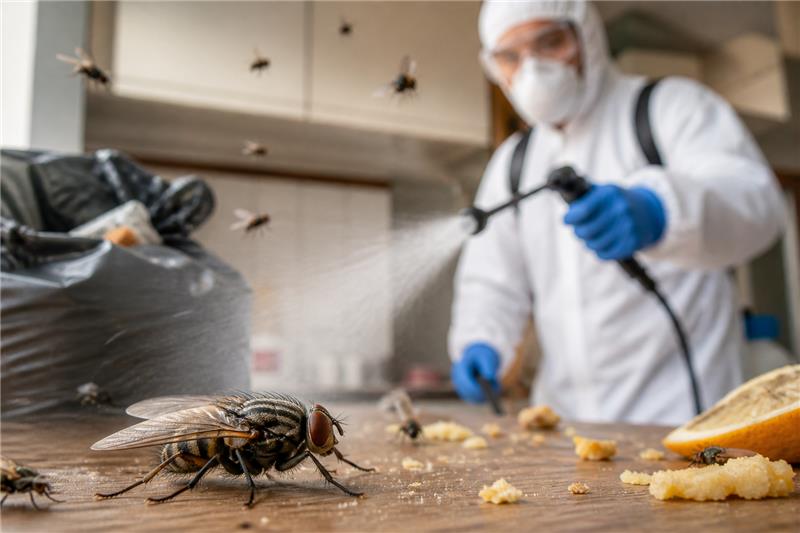
Flies are more than just an everyday nuisance; they're one of the most common carriers of harmful bacteria in homes and commercial spaces. With over 115,000 known species worldwide, flies can quickly multiply and contaminate food, surfaces, and air quality. What starts as a minor annoyance can turn into a serious infestation within days if not handled properly. We will explain the causes of fly infestations, associated health risks, and proven prevention strategies along with expert-backed solutions to keep your environment safe and hygienic.
What Causes Fly Infestations?
Understanding the root cause is the first step toward effective fly control treatment.
Common Causes:
- Poor sanitation – Open garbage, food waste, and unclean surfaces attract flies instantly
- Moisture & drains – Damp areas like sinks and pipelines create breeding grounds
- Overripe fruits & organic waste – Ideal for fruit flies to lay eggs
- Warm weather conditions – Flies reproduce faster in heat
- Open entry points – Unsealed doors/windows allow easy access
A single fly can lay hundreds of eggs, and in ideal conditions, they mature into adults in as little as 7 days, making early intervention critical.
Health Risks Associated with Flies
Flies are known carriers of dangerous bacteria and pathogens. They often land on contaminated surfaces and transfer microbes directly to food and living spaces.
Major Health Concerns:
- Food contamination leading to food poisoning
- Spread of bacteria like Salmonella and E. coli
- Risk of diarrhea, typhoid, and digestive infections
- Increased health hazards in homes, restaurants, and healthcare settings
Ignoring a fly problem can compromise both public health and hygiene standards, especially in commercial environments.
Common Types of Flies & Their Impact
1. House Flies
- Most common species
- Carry bacteria from garbage to food
- Major cause of contamination
2. Fruit Flies
- Attracted to sugary, fermenting foods
- Breed rapidly in kitchens
- Spread microorganisms on fruits and vegetables
3. Drain Flies
- Thrive in moist, dirty drains
- Indicate hygiene issues
- Can contaminate nearby surfaces
Proven Fly Control Treatment Methods
Effective fly control requires a multi-layered approach combining prevention, monitoring, and elimination.
1. Fly Trapping
- Strategically placed traps capture adult flies
- Helps reduce population and prevent breeding
2. Targeted Fly Spraying
- Use of safe, approved insecticides
- Quickly eliminates active infestations
- Best used alongside other control methods
3. Sanitation & Source Control
- Proper waste disposal
- Regular cleaning of food areas
- Drain maintenance
4. Exclusion Techniques
- Install window screens
- Seal cracks and entry points
Signs You Need Immediate Fly Control Treatment
Ignoring early warning signs can lead to a full-blown infestation.
Watch for:
- Increased fly activity indoors
- Tiny white eggs near food or damp areas
- Maggots (larvae) in garbage or drains
- Persistent buzzing in kitchens or waste zones
If you notice any of these, it’s time to take action immediately.
What Affects Fly Control Treatment Cost?
The cost of fly control services depends on several factors:
Key Factors:
- Severity of infestation
- Property size (home, office, commercial)
- Treatment methods required
- Frequency of service
A professional inspection helps determine the most cost-effective and long-lasting solution.
Prevention Strategies to Keep Flies Away
Expert Tips:
- Keep garbage bins sealed and clean
- Avoid leaving food uncovered
- Clean drains regularly
- Fix water leaks and moisture issues
- Use natural repellents like cloves or essential oils
- Schedule periodic pest inspections
Why Professional Fly Control Matters
While DIY methods may offer temporary relief, they often fail to address the root cause of infestation.
Benefits of Professional Services:
- Use scientifically proven methods
- Ensure safe chemical usage
- Provide long-term prevention plans
- Offer expert inspection and customized solutions
Experienced technicians understand fly behavior, breeding patterns, and the most effective elimination strategies ensuring reliable results.
FAQs
1. What are common signs of a fly infestation?
Increased fly activity, presence of eggs, and maggots are clear indicators.
2. How do flies pose a health risk?
They carry harmful bacteria like Salmonella and E. coli, contaminating food and surfaces.
3. Are DIY fly control methods effective?
They provide short-term relief but rarely eliminate the root cause.
4. How often should fly control treatments be done?
It depends on the severity, but regular inspections are recommended for prevention.
5. Why is fly control important for businesses?
It ensures hygiene compliance, protects customers, and prevents reputational damage.
Final Thoughts
Flies multiply fast, spread diseases, and compromise hygiene—but with the right fly control treatment and prevention strategies, you can keep your space safe and pest-free. Taking early action, maintaining cleanliness, and relying on expert solutions ensures long-term protection and peace of mind.