 Instagram
 Facebook
 Whatsapp
 Youtube
 Contact
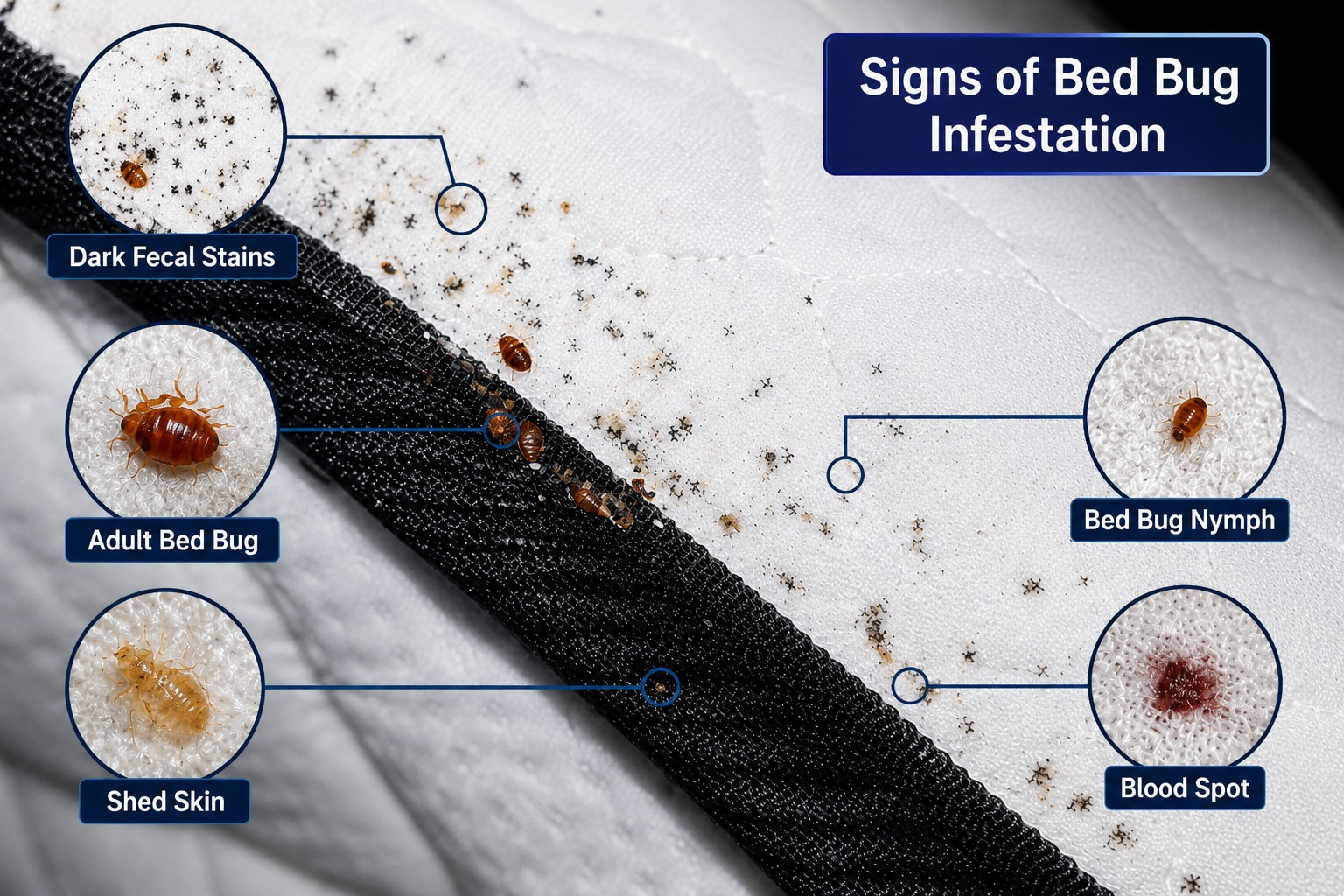
Many homeowners believe bed bugs only appear in dirty or poorly maintained properties. Unfortunately, this is one of the biggest misconceptions about these persistent pests. Bed bugs can enter any home, apartment, hotel room, office, or commercial property regardless of cleanliness.
These tiny insects are expert hitchhikers that travel unnoticed on luggage, clothing, furniture, and personal belongings. Once they find a way indoors, they can quickly multiply and create a difficult infestation that affects sleep, comfort, and peace of mind.
Understanding how bed bugs enter indoor spaces is the first step toward prevention. This guide explains the most common entry points, warning signs, prevention strategies, and when professional intervention becomes necessary.
What Are Bed Bugs?
Bed bugs are small, reddish-brown insects that feed on human blood. They are primarily active at night and hide in cracks, crevices, mattresses, bed frames, furniture, and other concealed spaces during the day.
Key Characteristics of Bed Bugs
- Flat, oval-shaped bodies
- Approximately 4–7 mm in length
- Cannot fly
- Excellent at hiding in tiny spaces
- Can survive for months without feeding
- Reproduce rapidly once established indoors
Because they are difficult to spot during the early stages, infestations often go unnoticed until they become more widespread.
Common Ways Bed Bugs Enter Indoor Spaces
Traveling and Hotel Stays
Travel is one of the most common ways bed bugs spread. They often hide in hotel mattresses, headboards, upholstered furniture, and luggage storage areas before attaching themselves to luggage, backpacks, or clothing.
Prevention Tips:
- Inspect hotel beds before unpacking.
- Keep luggage elevated and away from beds.
- Wash and dry clothing at high temperatures after returning home.
- Vacuum luggage thoroughly before storing it.
Second-Hand Furniture
Used furniture can be an affordable option, but it may also carry hidden bed bugs. Even furniture that appears clean can contain eggs, nymphs, or adult bed bugs hidden inside seams and cracks.
Common items include:
- Mattresses
- Sofas
- Recliners
- Bed frames
- Wooden furniture
Prevention Tips:
- Inspect all used furniture carefully.
- Avoid picking up discarded furniture.
- Consider professional inspection before bringing second-hand items indoors.
Shared Living Spaces
Apartment complexes, dormitories, hostels, and condominiums can experience bed bug movement between units. Bed bugs may travel through walls, electrical outlets, plumbing lines, and shared hallways.
Prevention Tips:
- Seal cracks and gaps around walls.
- Report suspected infestations immediately.
- Schedule routine inspections in multi-unit properties.
Visitors and Guests
Bed bugs can unknowingly arrive with visitors by hiding in handbags, suitcases, clothing, and backpacks. Even a single pregnant female bed bug can start an infestation.
Prevention Tips:
- Be cautious after hosting frequent travelers.
- Inspect sleeping areas regularly.
- Monitor for early signs of activity.
Public Transportation
Buses, trains, taxis, and airplanes can occasionally harbor bed bugs. These insects can transfer from upholstered seating to luggage or clothing.
Prevention Tips:
- Avoid placing bags directly on upholstered surfaces.
- Inspect luggage after long trips.
- Wash travel clothing promptly.
Workplaces and Offices
Bed bugs can spread through office chairs, break rooms, lockers, and shared seating areas. Employees may unknowingly carry them home in personal belongings.
Prevention Tips:
- Keep personal belongings off shared furniture.
- Report pest sightings immediately.
- Encourage workplace inspections if infestations are suspected.
Schools and Educational Facilities
Schools experience high daily traffic, increasing opportunities for bed bug movement through backpacks, jackets, and other personal belongings.
Prevention Tips:
- Inspect children's backpacks regularly.
- Wash school clothing frequently.
- Teach family members how to identify bed bugs.
Shared Laundry Facilities
Shared laundry rooms may contribute to the spread of bed bugs if infested clothing or bedding is transported through the facility.
Bed bugs may move between:
- Laundry baskets
- Folding tables
- Stored clothing
Prevention Tips:
- Use sealed laundry bags.
- Dry clothes on high heat whenever possible.
- Avoid placing clothing directly on communal surfaces.
Early Warning Signs of Bed Bugs
Detecting bed bugs early can prevent a minor problem from becoming a major infestation.
Unexplained Bite Marks
- Small red bites
- Often appear in clusters or lines
- Usually found on exposed skin
Blood Spots on Bedding
Tiny blood stains may appear on sheets or pillowcases after bed bugs feed.
Dark Fecal Stains
Small black dots around mattresses, bed frames, and furniture often indicate bed bug activity.
Shed Skins
As bed bugs grow, they shed their outer shells, leaving visible evidence behind.
Musty Odor
Large infestations may produce a distinctive sweet or musty smell.
Why DIY Solutions Often Fall Short
Many homeowners attempt to eliminate bed bugs using sprays, foggers, or home remedies. While some products may kill visible insects, they rarely eliminate hidden eggs and nesting areas.
Common challenges include:
- Hidden infestations
- Resistance to certain pesticides
- Rapid reproduction
- Difficulty locating all hiding spots
- Incomplete treatment leading to recurring infestations
Professional Bed Bug Inspection and Treatment
Professional pest management specialists use a systematic approach to identify and eliminate infestations effectively.
A comprehensive treatment plan typically includes:
- Detailed inspection
- Identification of infestation sources
- Targeted treatment methods
- Follow-up monitoring
- Prevention recommendations
Professional intervention is often the most effective solution for moderate to severe infestations.
How to Reduce the Risk of Bed Bugs
Following preventive measures can significantly reduce the chances of an infestation.
Regular Inspections
Check mattresses, furniture, and sleeping areas periodically for signs of bed bugs.
Reduce Clutter
Clutter creates additional hiding places and makes inspections more difficult.
Use Protective Mattress Covers
Mattress encasements help prevent bed bugs from establishing themselves inside mattresses.
Be Cautious While Traveling
Inspect accommodations and clean luggage thoroughly after every trip.
Act Quickly
Address any signs of bed bugs immediately before populations increase.
Conclusion
Bed bugs are skilled hitchhikers that can enter homes in ways many people never expect. From travel and second-hand furniture to shared living spaces, workplaces, and laundry facilities, there are numerous opportunities for these pests to find their way indoors.
The good news is that awareness and early action can significantly reduce the risk of a serious infestation. Regular inspections, preventive habits, and prompt professional assistance when needed can help keep your home protected and comfortable.
Understanding how bed bugs enter indoor spaces is the first step toward maintaining a healthier, safer, and pest-free environment for your family.
FAQs
Can bed bugs enter a clean home?
Yes. Bed bugs are attracted to people, not dirt. Even spotless homes can experience infestations.
How fast do bed bugs spread?
Bed bugs reproduce quickly. A small infestation can grow significantly within a few months if left untreated.
Can bed bugs travel between apartments?
Yes. They can move through walls, electrical outlets, plumbing systems, and shared spaces.
Are bed bugs dangerous?
Bed bugs are not known to transmit diseases, but their bites can cause itching, allergic reactions, sleep disruption, and stress.
What is the most common way bed bugs enter homes?
Travel-related exposure, luggage, second-hand furniture, and shared living environments are among the most common sources.
When should I call a professional?
If you notice bites, blood stains, shed skins, or live bed bugs, schedule a professional inspection as early treatment is typically more effective.