 Instagram
 Facebook
 Whatsapp
 Youtube
 Contact
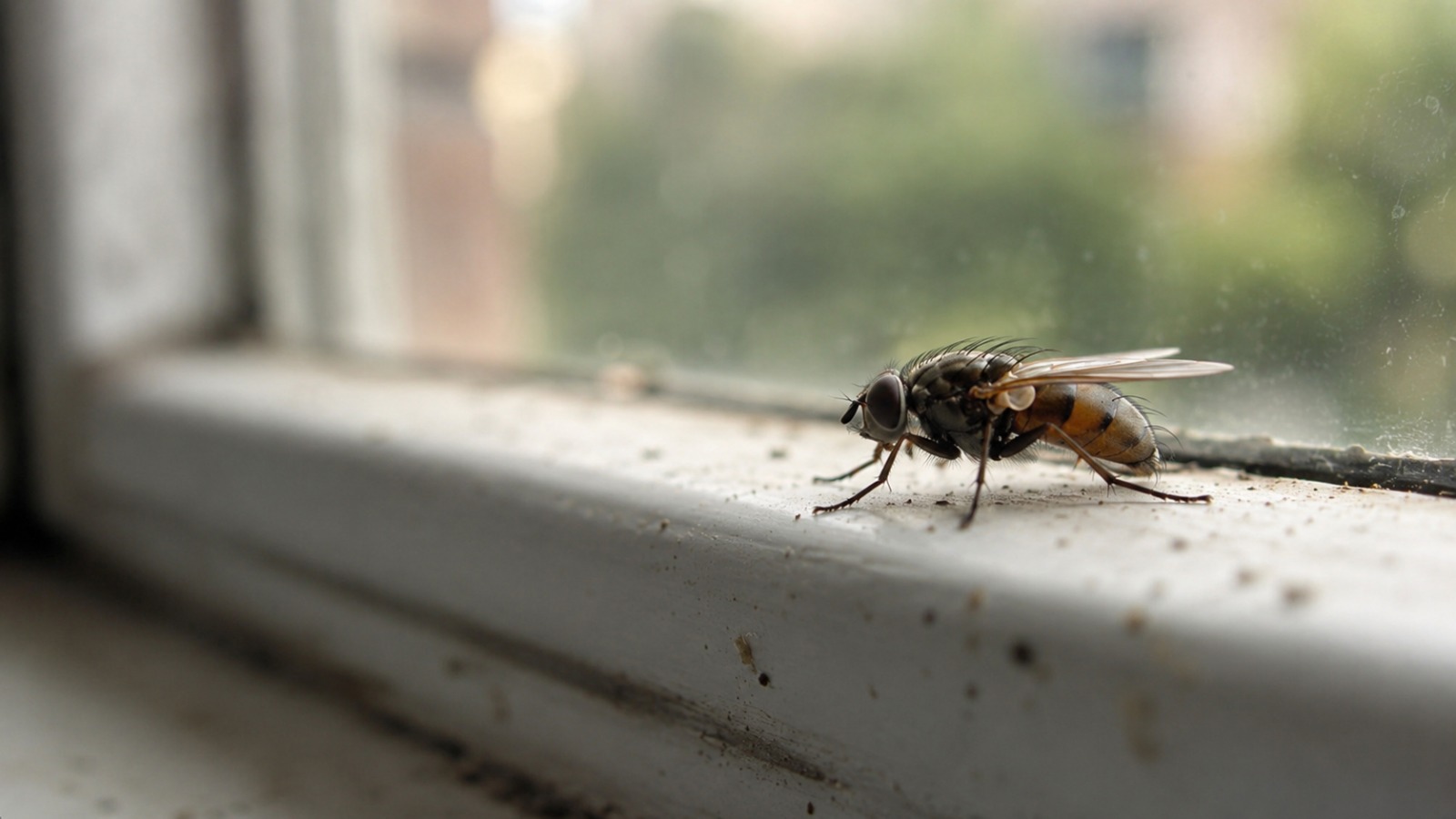
The arrival of the monsoon brings cool weather and much-needed rainfall, but it also creates the perfect environment for flies to multiply rapidly. Increased humidity, stagnant water, overflowing garbage, and damp organic waste make homes and businesses highly vulnerable to fly infestations.
Apart from being irritating, flies can carry harmful bacteria and contaminate food, increasing the risk of various diseases. Understanding the causes of monsoon fly problems and adopting effective prevention methods can help keep your surroundings clean and hygienic throughout the rainy season.
Here, you'll learn why flies become more common during the monsoon and discover practical solutions to eliminate them effectively.
Why Do Fly Problems Increase During the Monsoon?
Several environmental factors contribute to the rapid growth of fly populations during the rainy season.
High Humidity
Warm and humid conditions provide ideal breeding environments for flies, allowing them to reproduce quickly.
Stagnant Water
Rainwater collecting in containers, drains, flower pots, gutters, and other outdoor spaces attracts insects and supports breeding.
Organic Waste
Wet garbage, leftover food, compost bins, and animal waste become attractive feeding grounds where flies thrive.
Poor Drainage
Blocked drains and overflowing sewage create damp environments that are ideal breeding conditions for flies.
Faster Life Cycle
Moist weather accelerates egg hatching and larval development, allowing fly populations to grow within just a few days.
Common Fly Problems During the Rainy Season
Food Contamination
Houseflies frequently land on garbage, drains, and animal waste before settling on food. This can spread harmful bacteria that may lead to food poisoning and digestive illnesses.
Increased Indoor Infestation
During heavy rainfall, flies seek shelter indoors where food, moisture, and warmth are readily available.
Health Risks
Flies are known to spread harmful microorganisms responsible for:
- Food poisoning
- Diarrhea
- Cholera
- Typhoid
- Dysentery
- Eye infections
Although flies do not bite like mosquitoes, they can easily transfer germs through contaminated surfaces and food.
Constant Annoyance
Buzzing flies can disrupt daily activities, especially in areas where cleanliness is essential.
- Kitchens
- Dining rooms
- Restaurants
- Grocery stores
- Food processing areas
Effective Solutions for Monsoon Fly Problems
Dispose of Garbage Properly
Always use bins with tightly fitted lids. Dispose of household waste daily, especially kitchen waste that decomposes quickly during humid weather.
Keep Food Covered
Avoid leaving fruits, cooked meals, or snacks uncovered. Store food in sealed containers to prevent contamination.
Remove Standing Water
Regularly inspect the following areas for stagnant water:
- Buckets
- Plant trays
- Coolers
- Roof gutters
- Outdoor containers
Drain any collected water immediately to eliminate breeding sites.
Clean Drains Frequently
Dirty drains often become breeding grounds for flies. Use disinfectants regularly and ensure water flows freely.
Install Window Screens
Mesh screens help prevent flies from entering your home while allowing fresh air to circulate. Repair damaged screens promptly.
Maintain Kitchen Hygiene
Clean kitchen counters after every meal, wash utensils promptly, and avoid leaving food residue overnight.
Natural Fly Repellents
Many homeowners successfully reduce fly activity using natural remedies such as:
- Lemon with cloves
- Basil plants
- Mint leaves
- Lavender
- Essential oils like eucalyptus or peppermint
These natural methods help repel flies without relying on harsh chemicals.
Use Fly Traps
Sticky fly traps and UV light traps work effectively in homes, restaurants, and commercial kitchens. Position traps away from food preparation areas for the best results.
Professional Pest Control
When infestations become severe, professional pest control offers long-term solutions by identifying breeding sources, applying targeted treatments, and recommending preventive measures to reduce future infestations.
Tips to Prevent Fly Infestation During the Monsoon
Follow these simple preventive measures to reduce fly activity:
- Clean garbage bins regularly.
- Dispose of food waste daily.
- Keep kitchen surfaces dry.
- Cover drinking water containers.
- Clean pet feeding areas.
- Seal cracks around windows and doors.
- Wash fruits and vegetables before storage.
- Remove fallen leaves and garden waste.
- Clean compost bins frequently.
- Schedule seasonal pest inspections if needed.
Mistakes That Attract More Flies
Many people unknowingly encourage fly infestations through everyday habits.
- Leaving dirty dishes overnight.
- Allowing garbage to overflow.
- Ignoring clogged drains.
- Keeping compost uncovered.
- Leaving pet food outside.
- Allowing moisture to accumulate indoors.
- Storing uncovered fruits on countertops.
Avoiding these habits can significantly reduce fly activity during the rainy season.
Are Chemical Sprays Always Necessary?
Not always.
For small infestations, maintaining cleanliness, removing breeding sources, and using fly traps are usually sufficient to control the problem.
However, if flies continue to multiply despite preventive measures, professional pest management may be the safest and most effective solution.
FAQs
Why are flies more common during the monsoon?
The rainy season provides warmth, moisture, and abundant organic waste, creating ideal breeding conditions for flies.
What naturally repels flies?
Mint, basil, lavender, eucalyptus oil, cloves, and lemon are commonly used natural repellents that may help reduce fly activity.
Can flies spread diseases?
Yes. Flies can transfer bacteria from contaminated surfaces to food and household items, increasing the risk of foodborne illnesses.
How can I stop flies from entering my home?
Install window screens, keep doors closed whenever possible, dispose of waste daily, and maintain a clean kitchen to reduce fly entry.
When should I contact pest control?
If flies continue to return despite proper sanitation and preventive measures, professional pest control can identify hidden breeding sites and provide targeted treatment.
Final Thoughts
Monsoon weather creates ideal conditions for flies to thrive, but a proactive approach can prevent infestations before they become a serious problem.
Regular cleaning, proper waste disposal, moisture control, and timely preventive measures go a long way in keeping your home safe, hygienic, and free from flies throughout the rainy season.
Whether you choose natural remedies, fly traps, or professional pest control services, consistency is the key to maintaining a healthy and fly-free environment during the monsoon.